Evidence-led articles on neurotechnology, EEG, medical devices, and responsible healthcare innovation.
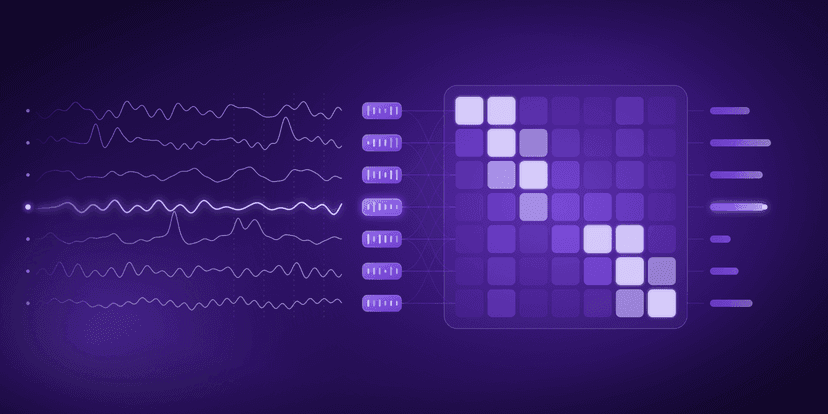
For nearly a century, reading an EEG was a craft reserved for trained experts. That era is ending. A wave of large EEG foundation models, pre-trained on massive collections of brain recordings, can now be adapted to detect seizures, forecast them hours ahead, screen for early Alzheimer's, and drive brain-computer interfaces. Here is how AI learned the grammar of brainwaves.
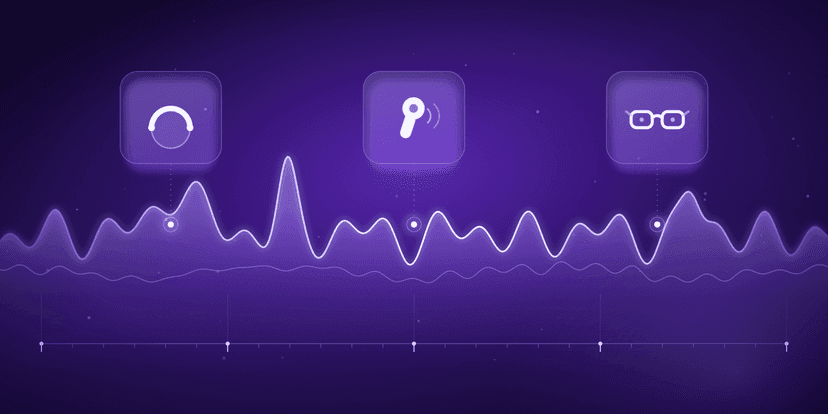
EEG once lived in a dimly lit clinical room. Now it is appearing in slim headbands, sensor-equipped earbuds, and smart glasses that support continuous monitoring at home. From seizure forecasting outside the clinic to home-based ADHD and PTSD therapy, this article examines how wearable neurotechnology is reshaping brain health.
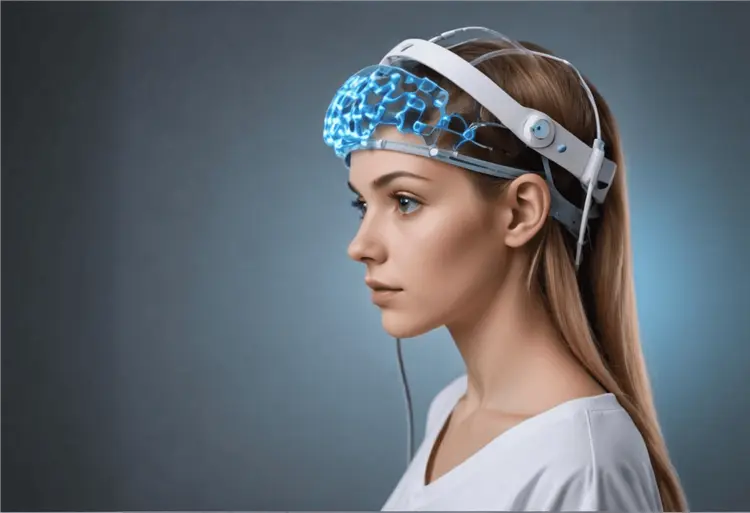
Electroencephalography (EEG) is a critical technology used to monitor and record electrical activity in the brain. EEG devices are essential tools in both research and medical fields, but there are significant differences between research-grade and medical-grade EEG devices. This article will delve into these differences, exploring the technology, specifications, use cases, and purchasing considerations for both types of devices.
Neuroscience is the scientific study of the nervous system, which includes the brain, spinal cord, and all the neurons and other cells that make up the nervous tissue. It encompasses a wide range of disciplines, including anatomy, physiology, psychology, genetics, molecular biology, and computational science, among others.
Neurologist concept. Doctor examine human brain. Idea of doctor caring about patient health. Medical MRI diagnosis and consultation. Vector illustration in cartoon style